
Here's what nobody tells you about arousal timing
Arousal doesn't follow a standard schedule. Some people ignite in ninety seconds. Others take twenty minutes, or thirty, or an hour. Both are completely normal. The problem isn't your body. The problem is that we're culturally conditioned to expect arousal to arrive on command, like a light switch, the moment clothes start coming off.
Then life happens. Stress piles up. Hormones shift. Relationships evolve. And suddenly, arousal that used to arrive quickly now needs runway. You might find yourself thinking something's wrong. Spoiler: it's not.
I work with couples navigating this transition all the time, and the pattern is always the same. One person feels broken because their arousal is slower. The other feels rejected because sex "isn't happening fast enough." Both feelings make sense. Neither one is actually true. What's true is that your nervous system needs different input now, and lemon vibrators are specifically built to give it that.
Why arousal slows down (and when it's worth taking seriously)
Arousal speed is shaped by five main things: stress levels, relationship dynamics, medical factors, hormonal shifts, and whether you're actually interested in what's about to happen.
Stress literally suppresses arousal. When your nervous system is in fight-or-flight mode, blood flow prioritizes survival, not pleasure. If you're managing a sick parent, a work crisis, financial worry, or grief, arousal will naturally slow. That's not dysfunction. That's biology working correctly.
Hormonal changes matter too. Perimenopause, postpartum recovery, changes in birth control, or shifts in testosterone can all lengthen the arousal window. So can certain medications. If arousal slowdown coincided with a medication change or a major hormonal event, mention it to your doctor. But if there's no recent medical change and your desire is there, the slowdown is almost certainly situational.
Relationship dynamics also reshape how quickly you can access arousal. If you've spent years accommodating a partner's pace, or if there's unresolved tension in the relationship, arousal often takes longer to emerge. The body doesn't believe it's safe to go there yet.
The mismatch problem (and why it's not actually about willpower)
Here's the friction point in most relationships: one partner's arousal timeline hasn't changed, but the other's has. Maybe you used to match perfectly. Now one person is ready in five minutes and the other needs fifteen or twenty. Neither person is doing anything wrong.
The instinct is usually to try harder. Speed it up. Force focus. But that creates a nasty feedback loop. The person who's aroused quickly feels rejected when their partner isn't ready. The slower-arousing partner feels pressured, which makes arousal even harder to access. It becomes a performance, not a pleasure.
Lemon vibrators break that pattern because they give slower-arousing partners a tool that works independent of a partner's timeline. You're not trying to keep up. You're not waiting. You're actively building arousal at your own pace.
How lemon clitoral vibrators actually work with slower arousal
There's a reason air-suction vibrators like The Lemon Wand are so effective when arousal needs time. They don't rely on you being heavily aroused already. Traditional vibrators often work best when you're already quite turned on. The sensation can feel intense or uncomfortable if arousal is still building.
Air-suction technology uses gentle pulsing pressure that stimulates nerves without requiring the kind of direct friction that feels jarring when you're still warming up. You can start at pattern one and sit with it for ten minutes while your body settles into arousal. The sensation builds gradually, which matches your body's actual pace rather than working against it.
This is why so many people find that lemon vibrators specifically help with arousal ramp-up. They're designed for bodies that need time.
The setup that changes everything
If arousal takes longer to build, the environment matters more than when arousal was quick. Three things make a difference:
Create transition time. Don't pivot straight from work stress to sex. Take fifteen minutes. Shower, light a candle, put your phone in another room. Tell your brain that arousal is possible now.
Lower the initial intensity. Start The Lemon Wand on pattern one or two, even if you usually prefer higher settings. Your body will climb from there. Jumping into high intensity when you're not yet aroused can feel overwhelming and actually backfire.
Budget time without a destination. This is the big one. If you approach a session thinking "I need to have an orgasm in thirty minutes," arousal gets tense. Instead, give yourself forty-five minutes and remove the orgasm requirement from the first half. Just explore. Let sensation build on its own timeline.
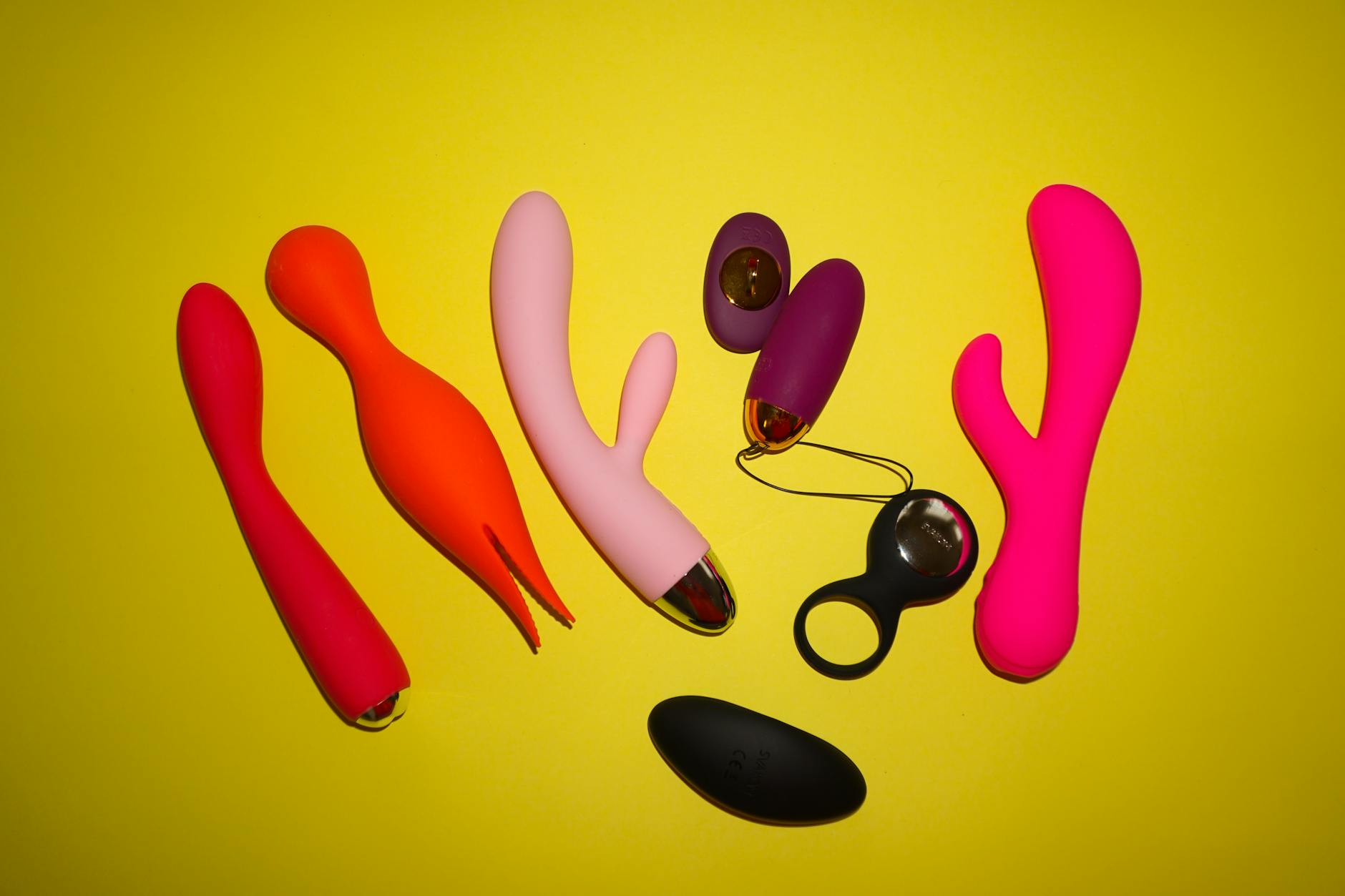
Photo by DRT.fm on Pexels
The partner conversation that actually helps
If you're navigating this with someone, the conversation matters more than the tool. Here's what works: separate the timeline issue from the desire issue. "I'm still into this. My body just needs more time to warm up" is a completely different conversation than "I'm not attracted to you anymore."
You're solving a logistics problem, not a relationship problem. Framing it that way keeps both people out of shame.
If your partner is the one who's suddenly slower to arouse, the move is to stop waiting passively. Use a lemon vibrator during foreplay. That's not replacing them. That's actively building the arousal in the room so you're not stuck in a holding pattern.
Many couples find that once the pressure to sync up disappears, arousal actually returns faster anyway. When you're not anxious about the timeline, your nervous system relaxes and arousal becomes easier.
When arousal slowdown signals something bigger
Sometimes slow arousal is just slow arousal. Sometimes it's pointing to something else.
If arousal disappeared entirely and isn't returning after a few weeks, check with your doctor. That might be hormonal, medication-related, or sometimes depression creeping in quietly.
If arousal is slow only with a specific partner but returns quickly alone, that's useful information. It might mean the relationship dynamic needs attention. A therapist who specializes in couples work can help you untangle whether it's emotional distance, unresolved conflict, or loss of novelty.
If arousal is slow but orgasms are strong when you reach them, you probably just have a slower arousal phase. That's genuinely fine and super common. Many people with vulvas actually prefer sex that way, because the experience is deeper when it builds.
The reframe that matters
Slower arousal isn't a flaw in your system. It might actually be an upgrade. Rushed arousal often means shallow pleasure. Arousal that builds gradually usually means more intense sensation when you get there.
Once you stop treating slow arousal as a problem to solve and start treating it as a rhythm to honor, everything shifts. Lemon vibrators help because they let you build pleasure at your actual pace, without rushing or forcing. How to Use Lemon Vibrators to Build Arousal Slowly If You Have Low Desire explores this in more depth if you're working with lower desire alongside slower arousal.
Your pleasure deserves the time it needs to develop. Tools that work with that timeline, not against it, change the entire experience.
FAQ
Is slow arousal a sign that I'm not attracted to my partner anymore?
Not necessarily. Arousal speed is influenced by stress, hormones, relationship tension, and a dozen other factors that have nothing to do with attraction. Slow arousal can coexist with deep desire and genuine attraction. The question to ask is: when I do get aroused, do I still enjoy sex with this person? If yes, the slowness is a timing thing, not a desire thing. If the answer is no or uncertain, that's worth exploring with a therapist.
Can lemon vibrators actually speed up arousal, or just make slow arousal feel better?
Both. A tool designed for gradual pleasure can make the buildup feel less frustrating, which sometimes actually helps arousal progress faster because you're not fighting against the pace. But the primary benefit is that you're building pleasure actively rather than waiting for it to happen spontaneously. That transforms the entire experience.
How long should I actually wait before deciding my arousal is too slow?
If arousal suddenly became slower in the last few weeks after being faster for years, give it a month. Stress, hormones, life changes, and relationship tension can all cause temporary shifts. If it's been three months and nothing has changed, check with a doctor to rule out medical factors. If everything medical checks out, it might just be your new baseline, which is worth accepting rather than fighting.
Does using a lemon vibrator mean I won't be able to orgasm without it?
Not at all. Tools are supplements, not replacements. Using a vibrator doesn't retrain your body to need it. In fact, many people find that once they have permission to take their time and stop forcing arousal, they're actually more responsive to all kinds of stimulation.
My partner gets frustrated that I take longer to arouse now. How do I explain why I need more time?
Try this: "My arousal isn't a reflection of how attracted I am. It's my current rhythm. I'm not broken. My body just needs a different approach." Then offer a solution together, like using lemon vibrators during foreplay so you're both actively building pleasure rather than one person waiting. Frame it as something you're solving together, not something your partner has to endure.
Is there a point when slow arousal becomes a medical issue?
Yes, but it's usually accompanied by other signs. Slow arousal alone isn't diagnosable as a problem. But if arousal is absent entirely, or if it's accompanied by pain, or if it coincided with a medication change and didn't resolve after switching, talk to a doctor. Thyroid issues, hormonal shifts, depression, and certain medications can all affect arousal speed. Ruling those out matters.
The bottom line
Arousal that takes time isn't arousal that's broken. It's arousal with a different timeline. Once you stop treating that as a problem and start treating it as information, everything changes. Tools like lemon vibrators help because they work with your actual pace instead of asking you to speed up. Your pleasure deserves the time it needs. Build from there.