Let's talk about what happens to pleasure after betrayal
There's a particular kind of disconnection that comes after relationship trauma. It's not the same as low desire or hormonal shifts. It's the feeling of your body being a stranger to you. You might feel numb during intimacy. You might flinch at touch that used to feel safe. Or you might want to feel pleasure and find that your nervous system simply won't cooperate.
I see this pattern constantly in my practice. Clients describe it like their arousal switch got locked behind a door they're afraid to open. And here's what matters: that's not broken. That's your body doing exactly what it's supposed to do after hurt. Your nervous system learned to protect you by shutting down sensation. Now the work is teaching it that safety has returned.
Why disconnection feels different than other pleasure blocks
When someone has experienced emotional or physical hurt in a relationship context, pleasure can feel dangerous because it once felt connected to that harm. Your brain made an association: opening up, being vulnerable, feeling good equals pain. So your body learned to wall itself off as a survival strategy.
This is different from medication side effects or hormonal changes because it's rooted in learned protective response rather than a physiological barrier. And that distinction matters because it means the pathway back is primarily about trust and nervous system recalibration, not about fixing something broken.
Most of my clients who've experienced relationship trauma describe several phases: first, complete numbness. Then, tentative interest that gets interrupted by panic. Then slowly, tiny moments of genuine sensation breaking through. The progression looks different for everyone, but the pattern is usually there.
Why lemon vibrators specifically support this healing
Here's what I recommend for someone rebuilding connection to pleasure after trauma. You need a tool that feels distinct from penetration, partner touch, or traditional vigorous vibrators. You need something that lets you stay in control absolutely. And you need sensation that's gentle enough to feel safe but stimulating enough to actually register through the numbness.
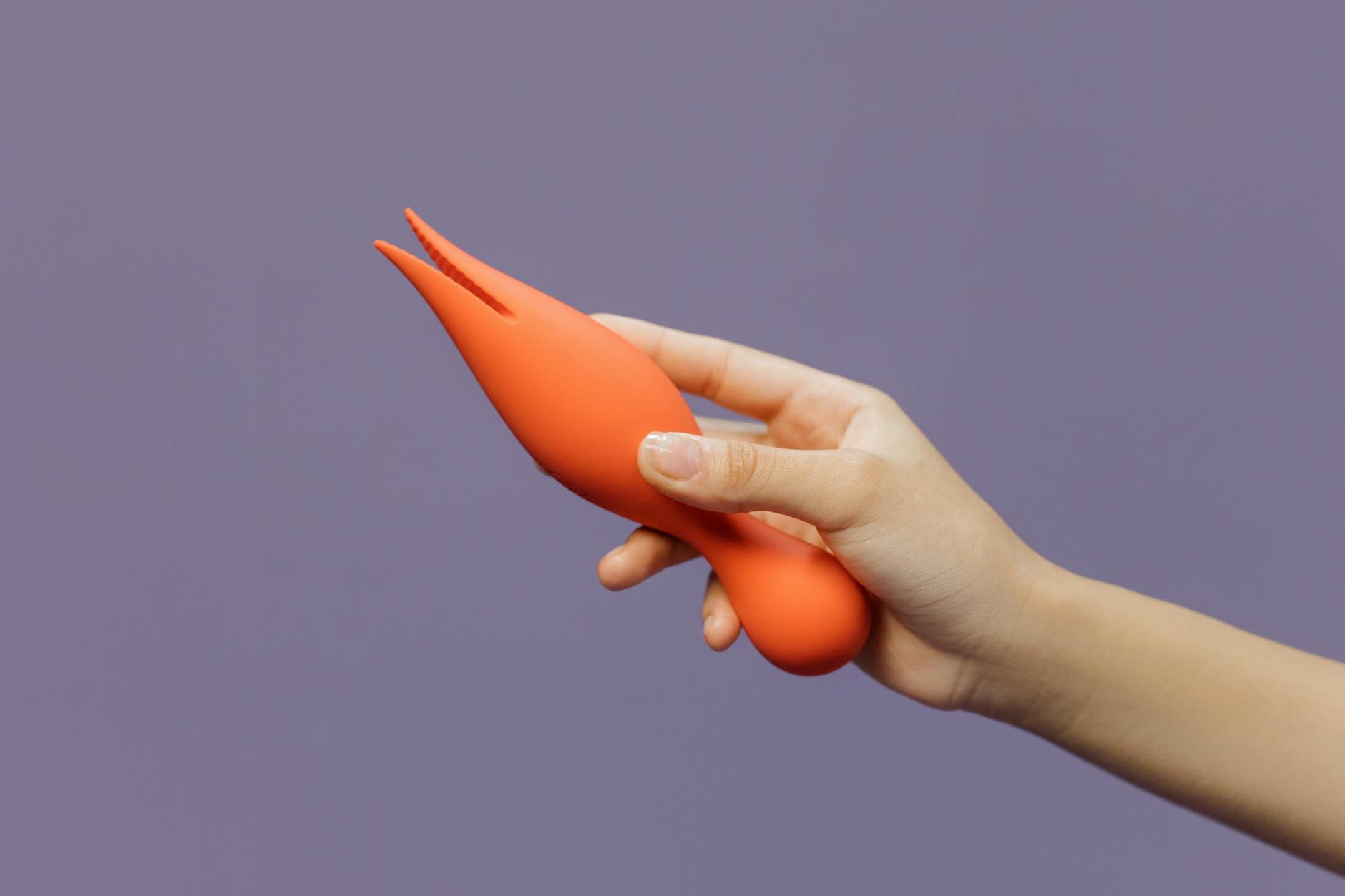
Lemon clitoral vibrators, particularly air-suction models like the Lem, offer something specific: they create sensation without aggressive physical force. That matters because many trauma survivors find direct friction triggering or overwhelming. The suction mechanism stimulates differently. It's pressure-based rather than vibration-based, which means you can customize the intensity with precision.
You also control the entire experience. You start it, stop it, change the pattern. There's no partner involvement unless you want it. That autonomy is foundational to reclaiming pleasure after someone else's actions took choice away from you.
The practical approach to reconnecting
If you're in the early stages of rebuilding, here's what I suggest to clients:
Start with safety grounding. Before using any toy, spend time in a space where you actually feel safe. Not just physically, but mentally. No pressure to feel anything. No goal except to sit with yourself.
Use the lowest settings first. Don't turn on the Lem expecting fireworks. Start at pattern one. Some clients spend weeks at the lowest intensity just getting accustomed to sensation again. There's no timeline.
Separate pleasure from performance. If you're using a lemon vibrator with a partner, make it explicit: this is for me to reconnect with my own sensation. Not for their arousal, not for achieving orgasm by a certain point, not for proving that you're "better now." For you.
Track what pattern feels good today, not what felt good before. Trauma changes the nervous system temporarily. What felt amazing before might feel uncomfortable now. That's normal. Your sensation preferences might shift. Follow what your body needs right now, not what it used to need.
How clitoral vibrators help retrain nervous system responses
When you use a lemon vibrator consistently in a safe context, you're essentially teaching your nervous system a new association. Pleasure and safety can exist together. Opening up doesn't lead to pain. Sensation is something you can control and step away from at any moment.
This isn't magic. It's basic neuroscience. Your brain is incredibly plastic. It learned the trauma association. It can learn a new one. But it takes repetition in a genuinely safe context.
Many of my clients find that after several weeks of solo exploration with a lemon clitoral vibrator, their tolerance for partner touch increases. Not because the toy "fixed" them, but because their nervous system got evidence that opening up could be okay. The toy became a safe gateway.
When pleasure reconnection requires additional support
Let me be clear: a vibrator is not therapy. If you're dealing with significant trauma, please work with a trauma-informed therapist alongside any pleasure-rebuilding work. A good therapist and a good tool work together.
Some trauma responses need nervous system resourcing work, somatic processing, or other specific interventions. A vibrator helps with the pleasure reconnection piece, but it's not the full picture.
If you're also managing anxiety, depression, or hypervigilance around touch, start there. Build safety and grounding first. Then add the pleasure work in when your therapist thinks you're ready.
Partnered reconnection when you're both ready
If you have a partner and you want to rebuild intimacy after relationship hurt, the conversation matters more than the toy. Tell your partner what you need. "I'm using a lemon vibrator alone for a while to reconnect with my own sensation. This isn't about you." Then later, if you want, "I want you to be present while I do this, but not participating. Just holding space."
Some partners find that watching their person reclaim pleasure is genuinely meaningful. It's a form of witnessing recovery. But your partner doesn't have to be part of this phase at all. Some people need solo reconnection before any partnered pleasure feels safe again.
The point is: you're setting the boundaries. You're deciding the pace. You're in control.
The role of patience in reclaiming pleasure
I want to say this directly: don't rush this. You didn't lose your pleasure overnight. You won't get it back overnight. Some clients take weeks to feel their first genuine moment of arousal. Some take months. That's not failure. That's healing.
Every time you use a lemon vibrator and your body feels safe, that's success. Every time you stop when you need to and your body learns that stopping is an option, that's reclamation. You're not trying to reach some orgasmic destination. You're rebuilding the path to your own sensation.
People also ask
Can I use a lemon vibrator if I have PTSD related to intimacy?
Yes, but start with a trauma-informed therapist first. A vibrator can be a useful tool as part of your broader healing practice, but it should complement therapy, not replace it. Work with your therapist to determine if and when solo pleasure exploration feels appropriate for your nervous system. Some clients find that having permission from their therapist to use a lemon clitoral vibrator makes the experience feel safer because it's been explicitly endorsed as part of their healing plan.
What if I use a lemon vibrator and it brings up panic or flashbacks?
Stop immediately. This means your nervous system isn't ready yet, and that's information, not failure. Return to therapy work, grounding, and nervous system regulation. You might try again in a few weeks or months, or you might find that solo pleasure reconnection isn't your pathway right now. Both are fine. Healing isn't linear and doesn't follow a formula.
How do I tell my partner I want to use a lemon vibrator alone?
Simply. "I'm doing some solo exploration with a toy to reconnect with my own sensation. This is for me, and it's part of my healing." You don't owe excessive explanation. If your partner responds with defensiveness or pressure, that's worth exploring in couple's therapy. A supportive partner can hold space for your solo pleasure work without feeling threatened by it.
Will using a lemon vibrator alone prevent me from having pleasure with a partner?
No. It actually often has the opposite effect. When you rebuild your own arousal pathway, you often become more comfortable with sensation overall. And knowing your own body better means you can communicate more clearly with a partner about what feels good. Solo pleasure and partnered pleasure aren't in competition.
How long until I feel "normal" pleasure again?
It depends on the severity of the trauma, your support system, and your individual neurobiology. Some people feel significant shifts in weeks. Others take months or longer. Pressure to feel "normal" by a certain date usually slows the process. Instead, measure progress by noticing small improvements: moments of sensation you didn't feel before, reduced panic when touching yourself, genuine desire arising spontaneously. Those are the markers that matter.
Is it okay to use a lemon vibrator if I'm still in a relationship with the person who hurt me?
That's a different question and a complicated one. If you haven't addressed the harm and rebuilt safety in the relationship itself, using a vibrator solo might feel like a band-aid. I'd encourage you to work with a couple's therapist on whether the relationship can be repaired and whether staying is actually safe. Pleasure reconnection within an unhealed relationship is difficult. You deserve both healing and a partner who actively supports it.
Your pleasure is worth the slow work
Reconnecting with sensation after relationship trauma is not fast. It's not always linear. But it's possible, and you deserve to get there. Whether you're using a lemon clitoral vibrator, working with a therapist, rebuilding trust with a partner, or doing all three, you're engaged in real and important work.
Your body learned to protect you. Now it gets to learn that pleasure is safe again. That takes time, patience, and the right support. If you're navigating this journey and need guidance tailored to your specific situation, reach out. We can talk through what reconnection might look like for you.
Contact The Lemon Wand if you'd like personalized support as you rebuild your relationship with pleasure.