How Lemon Vibrators Help When You Feel Numb After Years of Penetration-Focused Sex
Numbness isn't permanent. It's a signal your nervous system has adapted. Here's why clitoral stimulation through suction rewires sensation in ways penetration alone can't.
You've had partnered sex for years, maybe decades, and somewhere along the way, pleasure became harder to find. The clitoris doesn't respond like it used to. Orgasms feel distant or don't come at all. You might be going through the motions just fine, but you're not actually feeling much of anything.
Here's the part nobody explains: your body isn't broken. It's adapted. And adaptation, while useful for survival, can numb you to the exact sensations that brought you pleasure once.
Penetration feels good for a reason. The vagina has fewer nerve endings than the clitoris, which means it requires more friction and pressure to send strong signals to your brain. Over years of sex centered on penetration, your nervous system becomes attuned to that specific stimulus. It's like turning up the volume on a stereo you've been listening to for a decade. When the baseline is loud, quiet sounds disappear.
The clitoris, meanwhile, has 8,000 nerve endings in the glans alone. It's wildly sensitive. But if that sensitivity isn't being engaged, if you're spending most of your sexual time focused elsewhere, those nerves get quiet. They don't atrophy. They don't die. They just stop broadcasting at the volume you've come to expect.
Add a partner dynamic into this, and the numbness often gets worse. If sex is initiated on your partner's schedule, centered on their pleasure, or framed as something you do "for them," your own sensations can feel secondary. Your body learns that penetration is the goal, and clitoral pleasure is bonus material. Over time, that becomes your nervous system's default setting.
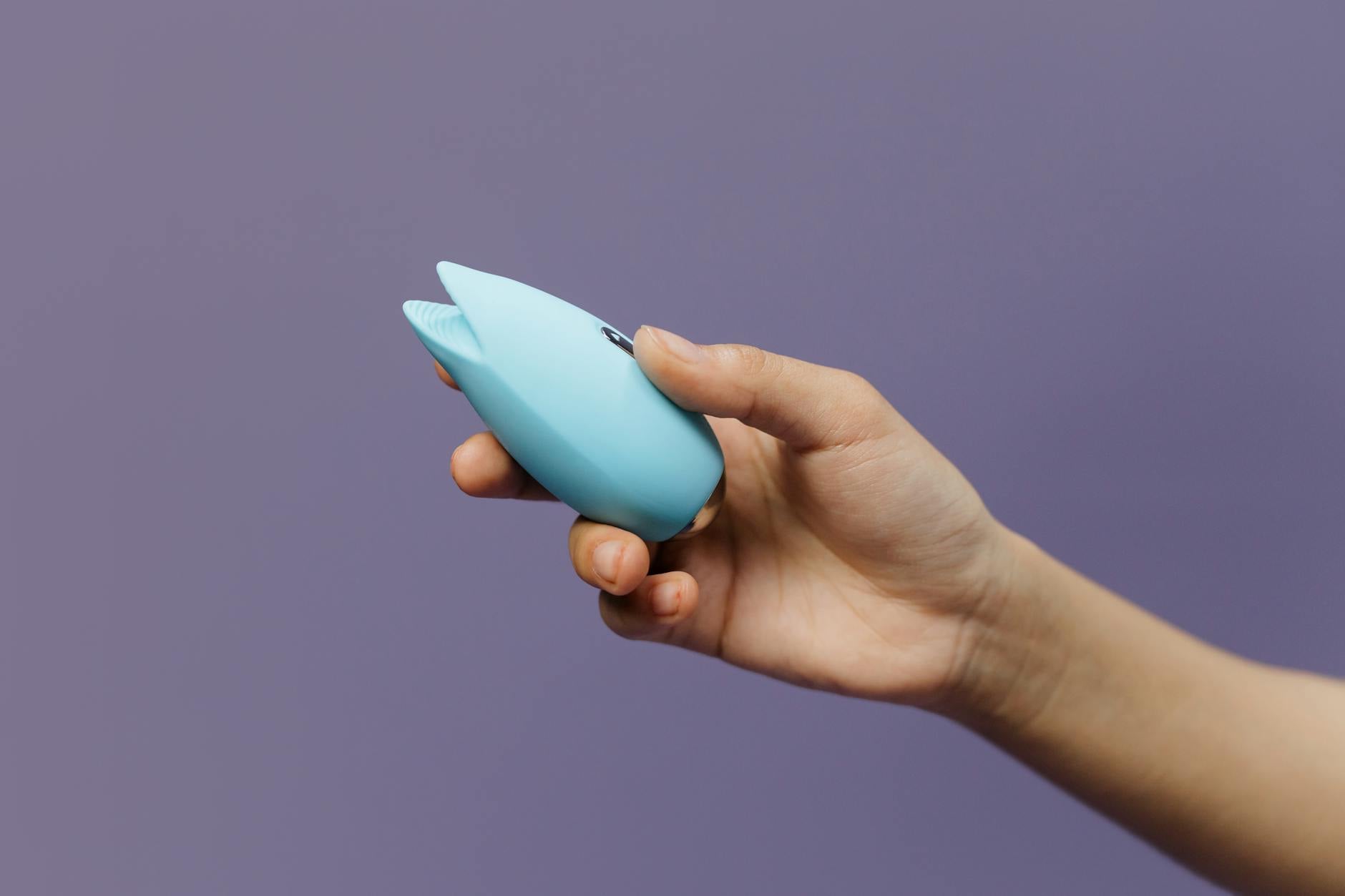
Clitoral suction devices like those from The Lemon Wand work through a completely different mechanism than penetration. Instead of pressure and friction, they create rhythmic suction and release. This stimulates the clitoris without the aggressive friction that can cause numbness in the first place.
Here's what matters physiologically. Suction engages nerve endings differently than pressure does. It creates a gentler, more rhythmic pattern of stimulation that your nervous system has likely never experienced in the same way. If your clitoris has spent years tuned to the pressure of penetration, suction feels novel. Novel stimulation wakes up dormant nerves.
Another thing that makes lemon vibrators different: they're clitoris-first. When you use a clitoral suction toy, the entire experience is designed around your pleasure, your pace, your intensity. That shift in agency matters more than you'd think. Your body knows the difference between "this is for me" and "this is for us." Over time, that permission translates to sensation.
Start solo. This might feel like a detour if your goal is partnered pleasure, but it's essential. Solo exploration teaches your clitoris that it's worth paying attention to again. Without performance pressure or someone else's timeline, your nervous system can relax enough to actually feel things. Spend two to three weeks using your lemon vibrator alone. Notice what patterns feel good. Notice what your body is asking for. This isn't masturbation in the traditional sense. It's reclamation.
Go slow with intensity. If you've been numb for a long time, jumping straight to pattern 3 or 4 on a clitoral vibrator will feel overwhelming or, paradoxically, nothing. Start at pattern 1. Spend five to ten minutes there. You're retraining your nervous system to recognize subtle sensation as pleasurable. That takes time.
Pay attention to the pelvic floor. Chronic numbness often comes packaged with pelvic floor tension. Your muscles clench, blood flow reduces, and sensation drops further. Before you use a clitoral vibrator, spend a few minutes breathing deeply and consciously relaxing your pelvic floor. Imagine your pelvic floor releasing and softening with each exhale. This single adjustment often makes the difference between feeling something and feeling nothing.
Build the bridge to partnered sex. Once you've rebuilt some sensation solo, introduce your partner gradually. You might use your lemon vibrator during foreplay, or while your partner is inside you. This isn't a workaround. It's integration. You're teaching your partner what works, and you're teaching your body that clitoral pleasure and penetration can happen together. That's the opposite of your years-long conditioning.
If you've been in a long-term relationship where sex has been penetration-focused for years, your partner might feel a little defensive when you introduce a clitoral vibrator. They might think numbness means they've failed somehow. They haven't.
Here's what I tell couples: numbness is a system-wide adaptation. It happened gradually, across years, through no single person's fault. Rebuilding sensation is also gradual. A lemon vibrator isn't a replacement. It's a conversation starter. It says, "Here's something my body responds to. Let's explore this together."
Most partners actually feel relieved. After years of sex where they weren't sure if their partner was enjoying themselves, having a tool that clearly increases pleasure and engagement feels like a gift. You get to feel something. They get to see you feel something. That's not impersonal. That's connection.
I won't pretend this is instant. Numbness built over years doesn't reverse in weeks. Most people report the first real shift in sensation around two to three weeks of consistent solo use. By six to eight weeks, they're noticing clitoral response they hadn't felt in years. By three months, many report that partnered sex has fundamentally changed because they're actually present in it again.
If you've tried a clitoral vibrator before and felt nothing, don't assume you're beyond help. You might have been using one that relied too heavily on vibration, or you might have been going too hard too fast. A suction-based approach like The Lemon Wand feels completely different. Give it at least two weeks of patient exploration before deciding it's not for you.
If sensation doesn't improve after eight weeks of consistent clitoral vibrator use, or if numbness is accompanied by pain, talk to a pelvic floor physical therapist. Sometimes numbness is compounded by trigger points in the muscles, and a PT can help release that in ways a vibrator can't.
If you suspect the numbness is related to medication (antidepressants, blood pressure meds, and hormonal birth control can all affect sensation), ask your doctor about timing your sex with your medication cycle, or whether a different formulation might work better for you. Sensation changes are often reversible once you know what's causing them.
Absolutely. Your nerves don't atrophy from lack of use. They adapt. New stimulation patterns, lower stress, and consistent gentle stimulation through tools like lemon vibrators can reawaken that responsiveness within weeks for many people.
Vibration creates rapid pressure. Suction creates rhythmic expansion and release. Your clitoris has specialized nerve endings that respond differently to each. If years of penetration (or traditional vibrators) have numbed you to pressure-based stimulation, suction often feels brand new to your nervous system.
Yes. If you're coming from years of numbness, the first few sessions might feel like a lot of pressure or sensation with no pleasure attached. That's not failure. Your body is learning to recognize the signal. Give it time. Most people report shifts after two to three weeks of regular use.
Not necessarily. Daily is fine if it feels good, but three to four times a week is plenty to start rebuilding sensation. More important than frequency is consistency and patience. You're not trying to achieve orgasm. You're trying to wake up sensation. Those are different goals.
You can, but I recommend starting solo. Solo use teaches you what feels good without performance pressure. Once you know your own response, integrating a vibrator into partnered sex feels less awkward and more connected. It also gives your partner time to adjust to the idea.
Talk to a pelvic floor physical therapist, a gynecologist familiar with sexual health, or both. Numbness can sometimes be caused by pelvic floor dysfunction, medication side effects, or hormone imbalance. A professional assessment can rule out treatable medical factors that a vibrator alone can't address.
Years of penetration-focused sex didn't happen by accident. They happened in a relationship, with a partner, probably with good intentions and genuine care. Rebuilding clitoral sensation isn't about rejecting that history. It's about expanding it.
Your clitoris is designed to feel pleasure. That design hasn't changed. The numbness is real, but it's also temporary. A lemon vibrator, paired with patience and permission, can help you find your way back to sensation that might feel like a stranger at first but starts to feel familiar again pretty quickly.
Your pleasure matters. Not as a bonus feature to your partner's pleasure. Not as a reward for good behavior. As its own complete thing. Rebuilding that takes intention. It's worth it.