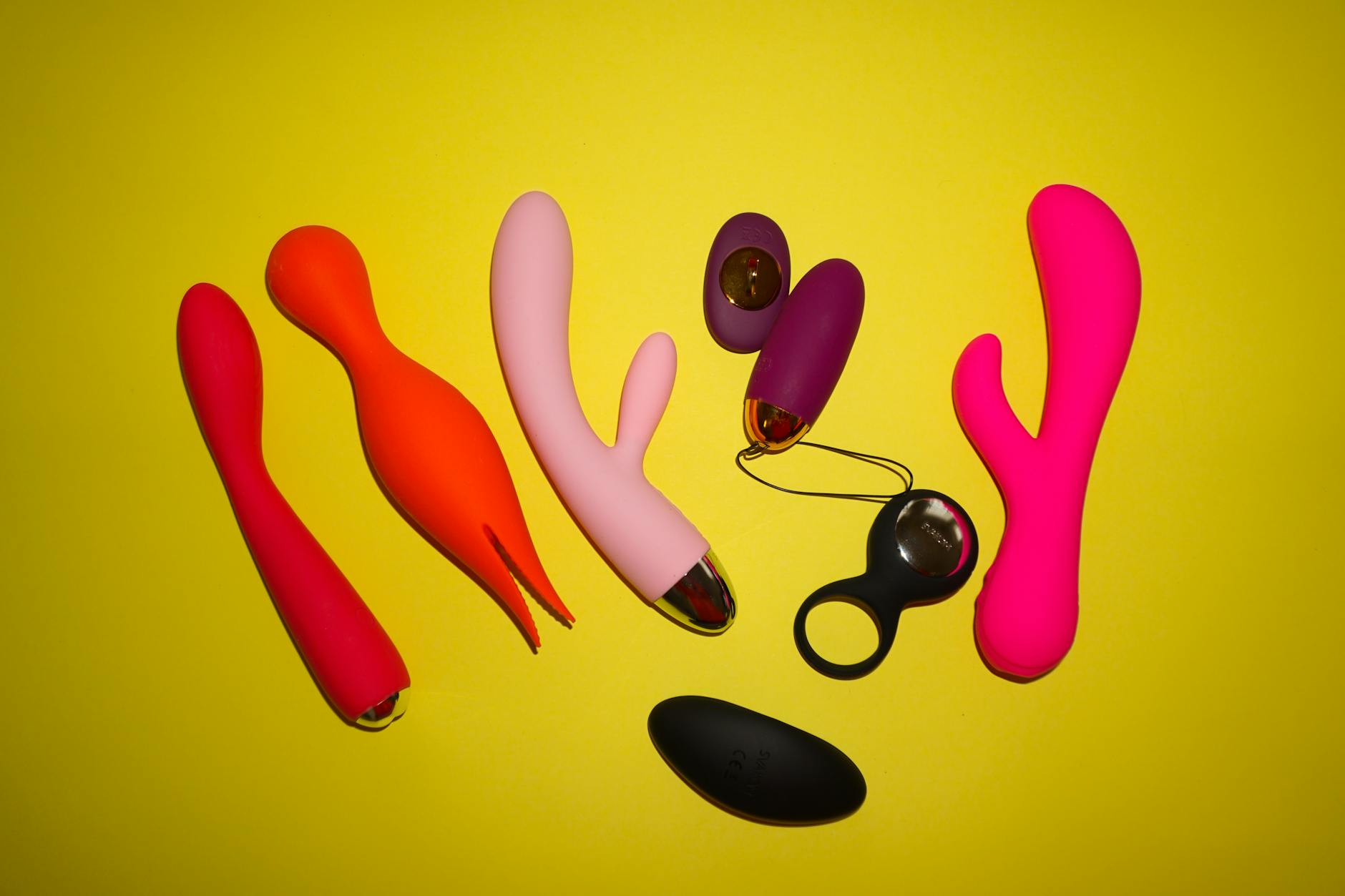
Let's be real. After five years, ten years, or twenty years with the same partner, the same sequence of moves can feel like muscle memory instead of pleasure. Your partner touches you the way they always do. Your body responds the way it always does. And somehow, you feel almost nothing.
This isn't about loving them less. It's neuroscience. Your nervous system habituates. Neurons that fire together wire together, and after enough repetition, the signal weakens. What once felt electric now feels like background noise. You're not numb. You're predictable.
Here's the good part: predictability is fixable. A different sensation wakes up different nerve pathways. And one of the fastest ways to introduce that difference is a lemon clitoral vibrator. Not because it's magic, but because it changes the input entirely.
Your nervous system is designed to filter out repetition. If I brush your arm once, you feel it. If I brush it the same way every five seconds for an hour, your brain stops registering it. This is called sensory adaptation, and it's happening in your bedroom whether you notice it or not.
When pleasure follows the same path every time, your body downregulates. The receptors that carried the signal get less sensitive. The anticipation flattens because there's nothing new to anticipate. You're not losing desire. You're losing the element of novelty that makes desire feel like desire.
Partners often interpret this as a sign something's wrong with the relationship. It's not. It's a sign that your body is so familiar with the stimulus that it's stopped paying attention. The fix isn't to pay more attention. It's to change what you're paying attention to.
A clitoral vibrator like a lemon sucker introduces a completely new stimulus to your tissue. It's not a hand. It's not penetration. It's consistent, calibrated vibration at patterns and intensities you've never felt before.
When you apply a lemon vibrator for the first time, even after years together, your nervous system treats it like new information. The clitoral nerve endings wake up. They're receiving a signal they haven't received in this exact form before. Your brain stops defaulting to "oh, this again" and starts registering "okay, this is different."
This isn't a toy replacing your partner. It's a reset button. It's a way of telling your nervous system: pay attention. Something unexpected is happening.
Many couples who've been together long enough to feel numb find that introducing a lemon vibrator together actually increases their connection. Why? Because they're both experiencing novelty at the same time. You're both exploring something unfamiliar. You're both discovering what your body can do when the stimulus changes.
You don't wake up one day and think, "Oh, I've lost all feeling." It's gradual. Year two, you notice you need a little more pressure. Year four, foreplay feels like a checkbox instead of foreplay. Year six, you're going through the motions because the person you love deserves it, not because you're burning up inside.
This creeps up because long-term partners often don't change their approach. The rhythm stays the same. The timing stays the same. The touch stays the same. For years, this consistency feels comforting. Then it feels safe. Then it feels like nothing.
Adding a lemon clitoral vibrator interrupts that pattern. It forces variation into a space where there's been none. And variation is what wakes up a nervous system that's been in sleep mode.
The most common report from people who've been together for years and use a lemon vibrator together is: "I didn't realize how numb I'd gotten until I felt alive again." That's not hyperbole. That's a nervous system recognizing novelty.
Here's the neurological piece: your clitoris has about 8,000 nerve endings. A traditional hand touch activates them in a predictable pattern. A vibrator activates them differently. The frequency, the rhythm, the precise location of the stimulation all create a new neural pathway.
When you use a lem vibrator at patterns your body hasn't experienced before, you're literally creating new connections in your sensory cortex. Neurons that haven't fired together in months or years start firing together again. This process is called neuroplasticity, and it's why sensation can come roaring back after feeling absent for years.
The lemon vibrator is particularly effective because suction-based vibration mimics a sensation that manual touch can't replicate. The combination of gentle pressure and rhythmic pulsing creates a stimulus that feels completely different from what you've been doing. Different stimulus equals woken-up nervous system.
Most people need 10 to 15 minutes with a new sensation before their body stops feeling like it's analyzing and starts feeling like it's experiencing. That's the moment when sensation shifts from novelty to pleasure.
If you've been together long enough to feel this kind of numbness, you've probably also been together long enough to know that introducing a toy can feel loaded. So let's address the elephant: this isn't about dissatisfaction. It's about mutual waking up.
The framing that works is this: "I've noticed pleasure has felt kind of flat for me lately, and I don't think it's about us. I think my nervous system has just gotten used to the same pattern. I want to try something different together. Would you be interested in exploring that with me?"
Most long-term partners recognize this experience. They may have felt it too but didn't know how to say it. When you open that door without blame, you often find they've been waiting for someone to name the problem.
Using a lemon vibrator together actually deepens connection in ways that solo use doesn't. You're both learning what your body responds to. You're both surprised. You're both discovering something new about someone you thought you knew completely. That's the opposite of routine.
Your body might feel strange sensation at first. That's not pain. That's your nervous system waking up. Some people describe it as tingling that feels almost too intense. That means you're starting low enough (which you should) and your body is registering the novelty.
Start with a lower pattern on a lemon vibrator. Let your tissues adjust to the sensation without pushing toward orgasm immediately. The goal in these first sessions isn't orgasm. It's sensation. It's teaching your body that touch can feel like something again.
After a few sessions, the initial weirdness disappears and shifts into pleasure. Your nervous system has integrated the new stimulus. But by then, you've also often noticed your partner's touch feels different too. It's like someone turned up the contrast. Suddenly, the familiar hand becomes interesting again.
This is the real magic of introducing a tool like a lemon clitoral vibrator into a long-term intimate life. It doesn't replace your partner. It wakes up your ability to feel, and that makes everything feel better.
Here's the thing I tell couples: if you've lost sensation and it's paired with zero desire, zero interest in your partner, or a sense of disconnection that goes beyond just the physical, that's worth exploring separately.
If you and your partner can't have a vulnerable conversation about this, that's where the real work lives. A lemon vibrator is a tool, not a therapist. It can wake up sensation. It can't fix a relationship that's stopped communicating.
But for couples who love each other and have just fallen into routine numbness? A vibrator is often the reset that lets them remember why they're together in the first place.
Most people notice a shift within the first 2-3 sessions. Your nervous system registers the novelty immediately, but pleasure usually settles in around session 3 or 4. By week two of regular use, many couples report that both vibrator and manual touch feel significantly more pleasurable than before.
Yes, eventually. This is why variation matters. If you use the same pattern at the same intensity every single time, your body will habituate again. But lemon vibrators have multiple patterns and intensities. Changing them up prevents that adaptation loop.
Absolutely. It depends less on how long you've been together and more on how predictable the pattern is. Some couples fall into routine within months. Others stay unpredictable for years. The variable is novelty, not duration.
Completely normal. If your nervous system has been desensitized by years of the same touch, a new stimulus can feel numb at first. That's not the vibrator failing. That's your body saying, "I don't recognize this signal yet." Give it 3-5 minutes and the sensation usually shifts.
Yes. In fact, many people find that solo exploration with a vibrator helps them understand what their body is capable of feeling when the stimulus is novel. Then they bring that knowledge back to partnered sex. How to Use Lemon Vibrators When You Want Stronger Orgasms Without Overstimulation covers this exploration in depth.
Not at all. It means your body is craving variation, which is a biological need, not a judgment on your partner. Most couples who use vibrators together report feeling closer, not more distant. You're both engaging in something new. You're both vulnerable. That builds intimacy.
Sensation loss after years of routine isn't a relationship failure. It's evidence that your nervous system is doing exactly what it's designed to do: tune out repetition. The solution isn't to love harder or try harder. It's to change the stimulus. A lemon vibrator does that in a way that's direct, effective, and often reconnects couples to each other in the process. Your body remembers how to feel alive. Sometimes it just needs something different to prove it.