Let's talk about what actually changes
Here's the thing nobody puts into the instruction manual for your body: lubrication changes. Not because anything is wrong. Not because you're broken. But because estrogen fluctuates, tissues thin slightly, and the whole system responds differently to arousal over time. And that shift? It's actually one of the biggest reasons people assume their pleasure is fading when really it's just asking for a different approach.
I've worked with clients across every age, and the ones who understand this one fact tend to have way better sex lives after 40 than before. Because once you stop fighting what your body is doing and start working with it, everything gets easier.
Why lubrication shifts as you age
Estrogen is basically the oil in your reproductive system. It keeps tissue thickness stable, blood flow strong, and lubrication flowing. As you move through your 40s and beyond, estrogen production naturally declines. Your body doesn't stop lubricating. It just takes longer to ramp up, and the volume might be less abundant than it once was.
This isn't universal, by the way. Some people sail through with zero change. Others notice shifts around 35. Stress, medication, hormonal birth control, and overall health all factor in too. But the trend is real, and pretending it isn't just wastes your energy fighting biology.
The second part is tissue thinning. Thinner vaginal tissue is more sensitive. That sounds great, but it actually means two things: you're more prone to irritation from friction, and you need to warm up more gradually. Direct, intense vibration that felt amazing at 25 might feel sharp or uncomfortable at 45. That's not a loss of sensation. It's a change in how sensation works.
Why lemon vibrators actually work better for this shift
Most traditional vibrators rely on direct oscillation. They're jackhammers. They work great if you have abundant natural lubrication and tissues that can handle sustained friction. When lubrication decreases or tissue thins, direct vibration becomes less comfortable and less effective.
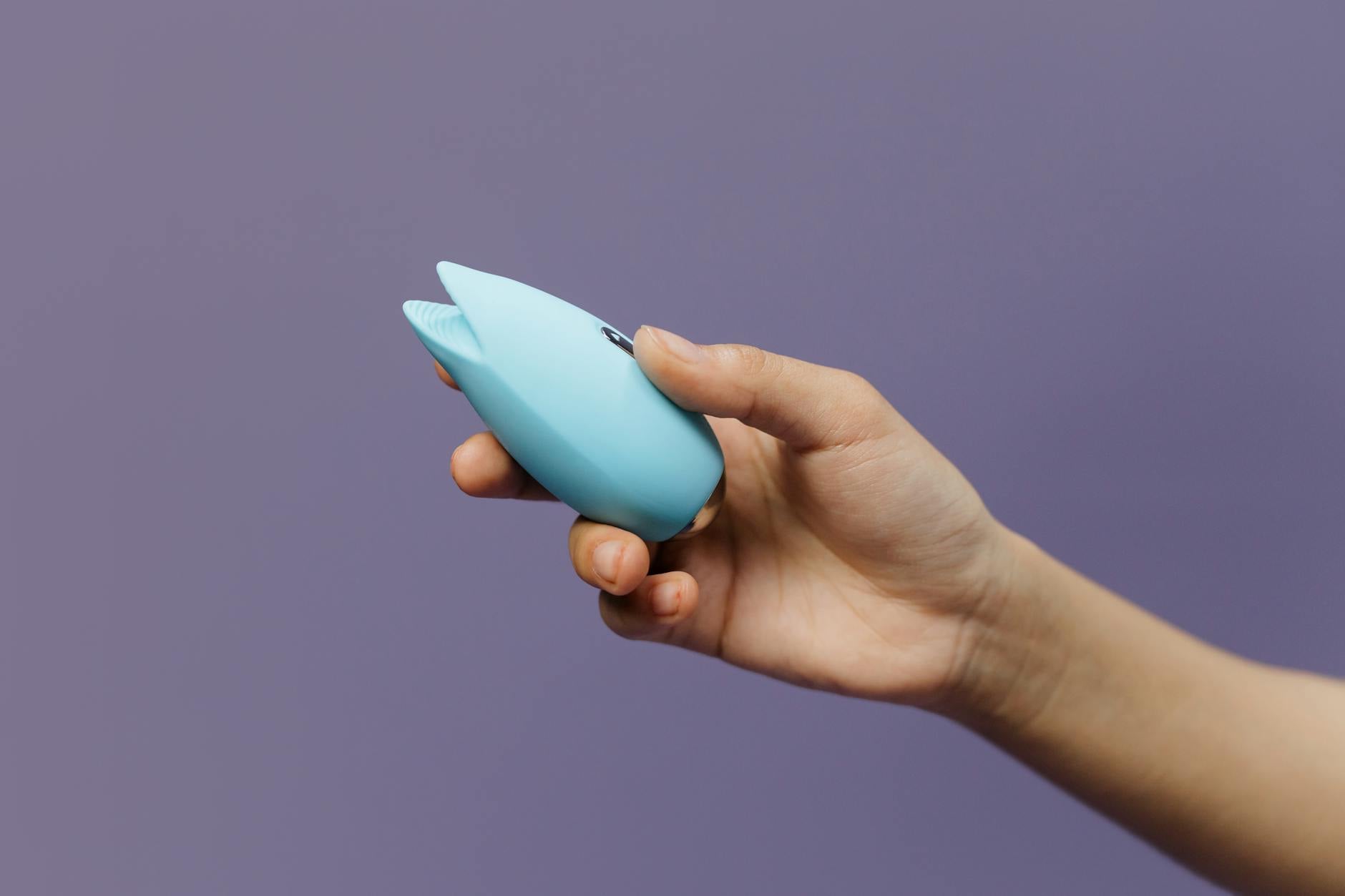
Lemon vibrators, especially the lemon clitoral vibrator design, use suction and pulsing instead of rigid vibration. This matters because suction doesn't require the same amount of lubrication to feel good. It's gentler on thinner tissue. And it creates a seal that actually amplifies sensation without needing your body to produce more fluid.
Think of it like this: a traditional vibrator is trying to make your whole area vibrate. A lemon sucker is creating a pulse wave. One depends on slickness. The other depends on responsive tissue and good design. As lubrication changes, the physics work in your favor, not against it.
The warm-up window expands
One huge shift I see with aging and lemon vibrators is that the warm-up period lengthens. Your body still responds. It just needs more time and more intentionality.
Where you might have been ready to go in 5 minutes at 30, you might need 15-20 minutes at 50. This isn't a problem. It's actually an opportunity. Most people rush foreplay because they're anxious or distracted. When your body forces you to slow down, you often end up more present, more aroused, and more satisfied.
Start with external touch. Hands, lips, whatever feels good. Then introduce your lemon vibrator on the lowest setting, no urgency. Build gradually. The suction design means you don't need to hunt for intensity. Lower settings on a lem vibrator often feel as satisfying as higher settings on a conventional vibrator, because the stimulation is more focused.
One client told me she used to feel pressure to orgasm quickly because sex was uncomfortable. Once she switched to a lemon sucker and gave herself permission for longer foreplay, she started having some of the best orgasms of her life. The irony is that slowing down made everything faster and deeper.
Lubrication is still part of the equation
I want to be clear: even with a lem vibrator, adding lubrication helps. It's not mandatory in the way it might be with other toys, but it makes the experience smoother and more pleasurable.
Reach for water-based or silicone-based lube. Silicone-based feels richer and lasts longer, which is great if you have natural lubrication that's lighter than it used to be. Water-based dries out faster but is easier to reapply and works with all toy materials.
The bonus: adding external lubrication signals to your brain that things are getting wet. It changes the sensory experience. Many people find this psychological element as important as the physical one.
If you're noticing that natural lubrication has dropped significantly, that's also worth flagging with a doctor. Genitourinary syndrome or hormonal shifts sometimes need clinical support. Topical estrogen creams, systemic hormone therapy, and other options exist. They're not failures. They're tools. Using them alongside lemon clitoral vibrators is totally normal and often necessary.
Sensation adaptation is real
After about 40, some people report that sensation feels different overall. Not numb exactly, but flatter. Orgasms feel smaller. Pleasure seems less intense. This is partially physical (thinner tissue, different hormone levels) and partially neurological (your nervous system adapts to chronic stimulation over decades).
Here's where a lemon vibrator becomes genuinely transformative: the suction pattern creates a different kind of stimulation that can bypass some of that adaptation. If you've been using the same type of vibration for 20 years, your nerves have learned to tune it out. Switching to suction-based stimulation is like starting fresh. Your nervous system doesn't have a stored response to this pattern, so sensation often feels more acute and more satisfying.
This is also why varying patterns and intensities matters more as you age. Don't stay on one setting. Move through the patterns. Experiment. Your body isn't bored. It's just asking you to stay curious.
Partner communication becomes easier
One unexpected benefit of these physical shifts: they often improve partnerships. Why? Because they force honest conversation.
If you're a person with a partner, this is the time to actually say what you need instead of hoping they guess. "Natural lubrication has changed, so I need more foreplay" is specific, actionable information. It's not a complaint. It's useful data that actually improves sex for both of you.
Many couples find that introducing a lemon vibrator at this stage reframes sex altogether. It becomes collaborative. It's not about fixing a problem. It's about exploring together. And that shift in framing often leads to deeper intimacy than anything before.
The patience piece matters more than you'd think
Here's something nobody talks about: aging and lubrication changes require permission to slow down. Not just physically, but mentally. You have to let go of the expectation that sex should look or feel like it did at 28.
That's not a loss. That's often where sex becomes actually good. Once you stop performing and start experiencing, once you stop rushing and start exploring, pleasure deepens in ways that surprise people.
A lemon clitoral vibrator is just the tool. The real shift is the permission you give yourself to have sex on your body's terms, not on the schedule you learned decades ago.
FAQ
Does a lemon vibrator work if you have very low natural lubrication?
Yes. The suction mechanism doesn't depend on natural lubrication the way traditional vibrators do. That said, adding water-based or silicone-based lube makes the experience more comfortable and pleasurable. Start with suction alone, and add external lube if you want to. Both approaches work.
Can I use a lemon sucker if I'm on hormone therapy?
Absolutely. Hormone therapy often improves natural lubrication, which makes lemon vibrators feel even better. If you're on systemic hormone replacement, your body might actually need less external lubrication than before. You might also notice that sensation becomes sharper, which some people prefer and others find requires a lower starting intensity.
What's the difference between a lemon vibrator and a traditional vibrator when lubrication is low?
Traditional vibrators create friction, which works best with abundant lubrication. Lemon vibrators create suction and pulsing, which stimulate nerves differently and don't rely as heavily on slickness. Many people find that as lubrication decreases, a lem vibrator becomes more effective, not less.
How often should I use a lemon clitoral vibrator if lubrication is changing?
As often as you want. Regular use actually improves blood flow to genital tissue, which can help maintain both sensation and lubrication over time. Some research suggests that people who maintain sexual activity have better tissue health and stronger arousal responses as they age.
Should I see a doctor if natural lubrication has decreased a lot?
Yes, especially if it happened suddenly or is accompanied by other changes like pain, burning, or itching. These can signal genitourinary syndrome or other conditions that respond really well to treatment. There's no shame in seeking clinical support. Doctors encounter this constantly, and options exist.
Can stress affect lubrication the way aging does?
Yes. Stress suppresses arousal, which dries things out. Add aging hormones to chronic stress, and the effect compounds. If you've noticed a recent shift in lubrication alongside a stressful period, that might resolve once stress decreases. Give yourself a few weeks of lower-stress living before assuming it's a permanent age-related change. Often it's not.
The bottom line
Lubrication changes with time. So does sensation, tissue thickness, and how long arousal takes to build. None of that means your pleasure is ending. It means your body is asking you to pay attention, to adjust, and to explore differently.
Lemon vibrators are specifically designed for this shift. They work with your body's changes, not against them. Pair that with patience, communication with partners if you have them, and willingness to slow down, and you often find that sex gets better, not worse. That's not optimism. That's what I see happen again and again in practice.
If you want to explore what works best for your body right now, I'm here to help. Get in touch.