The Disconnection Is Real, and You're Not Alone
Let's be real: numbness during sex, or that floating feeling where your body is there but your pleasure isn't, happens way more often than anyone talks about. You're not broken. Your body isn't malfunctioning. What's happening is that your nervous system has learned to protect you by dampening sensation, and it's doing its job perfectly. The problem is it's doing that job at the wrong time.
Disconnection shows up differently for everyone. For some, it's a total flatness. For others, it's a muted version of what used to feel good. Sometimes it arrives suddenly after stress, sometimes it creeps in over months. The cause matters less than what happens next. Because here's the thing: reconnection is learnable. And lemon clitoral vibrators are actually built for this moment.
Why Disconnection Happens in the First Place
Your nervous system responds to threat by going quiet. That's not a flaw. During periods of stress, relationship conflict, health anxiety, or even just chronic life pressure, your body decides that pleasure is a luxury it can't afford right now. It redirects resources to survival. This is your vagus nerve doing exactly what it evolved to do. The problem is that your vagus nerve doesn't understand that the threat has passed. It stays in that protective posture.
Disconnection also happens after repeated experiences where pleasure was interrupted, painful, or unsafe. Your body learns: "This thing isn't reliable. Let's not invest energy in feeling it fully." Over time, that learned dampening becomes automatic. You don't consciously choose it. It just happens.
Hormonal shifts, medication side effects, and relationship distance can all trigger it too. The mechanism is the same: your nervous system is managing risk by turning down the volume on sensation.
The Neuroscience of Rebuilding (Without the Jargon)
Here's what actually needs to happen to rebuild the connection: your nervous system needs to learn, repeatedly, that pleasure is safe and worth paying attention to. That learning doesn't happen through willpower or positive thinking. It happens through repeated, predictable sensory experiences that feel good and don't go wrong.
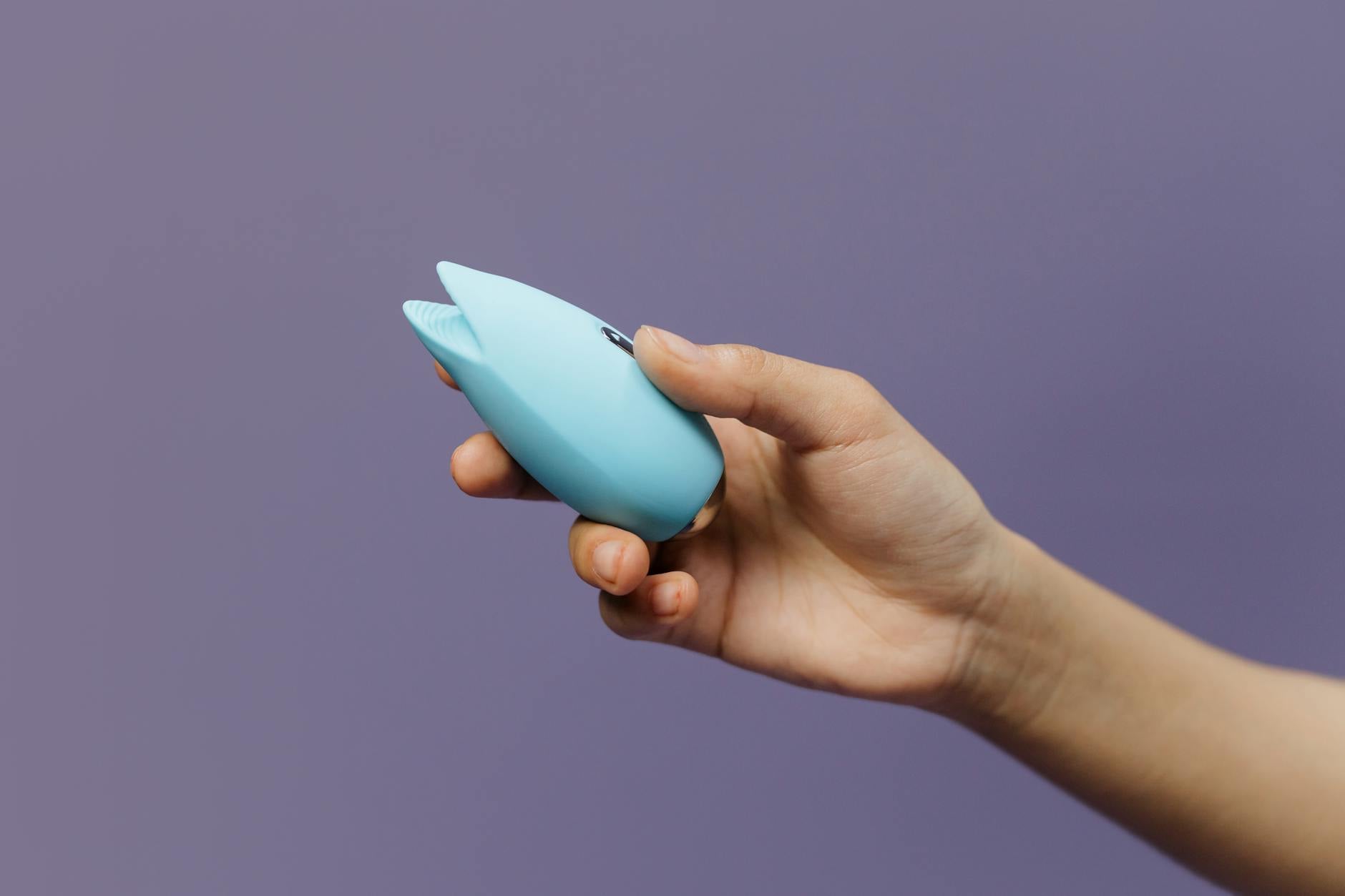
This is where lemon vibrators change the equation. They provide what your nervous system craves: reliable, buildable sensation that you control completely. Unlike manual stimulation, which depends on hand position, strength, and partner responsiveness, lemon vibrators give you something consistent. You can start at the gentlest intensity, stay there until your nervous system relaxes, and slowly build from a place of safety.
The suction mechanism in lemon sexual toys works particularly well for reconnection because it engages pleasure differently than traditional vibrators. Instead of pure vibration, suction creates a kind of rhythmic pull that can feel safer and more contained, especially if your nervous system is in protection mode. Your body can feel the pattern clearly. That clarity helps your brain start to trust again.
Starting Over When Nothing Feels Like Anything
If you're dealing with true numbness, your first move is to clear away the performance pressure entirely. Solo exploration is ideal here because you eliminate the variable of a partner's expectations or timing. You're not trying to arrive at arousal by a certain point. You're just practicing the sensation of noticing something.
Begin with the lowest intensity setting on the lemon clitoral vibrator. The goal is not orgasm. The goal is novelty and gentle stimulation. Move it around slowly and notice what's different about each area. Spend ten minutes and then stop. Rest. Come back to it later. You're teaching your nervous system that pleasure is small, frequent, and under your control.
After a few sessions of this, you can start spending a bit longer. Gradually move to the next intensity level once the current one starts to feel slightly predictable. This pace feels glacially slow when you're used to traditional pleasure, but that slowness is the point. Your nervous system is learning one tiny pattern at a time. Rushing it doesn't speed the process. It resets it.
Many people report that after two to three weeks of this gentle, consistent practice, they start to notice the sensation before they even turn the device on. That's your nervous system beginning to pre-allocate attention to pleasure. That's the shift you're waiting for.
Bringing a Partner Back Into the Picture
Once you've spent time reconnecting solo, adding a partner requires a different conversation than you might usually have. You're not asking them to help you get aroused. You're asking them to witness your nervous system learning to feel safe. That's a completely different dynamic.
One approach: use the lemon vibrator while your partner is present but not the primary focus. They're in the room, but you're the one holding the device, controlling the pace, deciding when to speed up or pull back. This gives you agency while letting your partner participate in the process. That participation matters. It rebuilds trust and intimacy that disconnection often damages.
Another approach is to describe the sensation out loud as you're exploring. "This intensity feels sharp here but softer there." You're building a bridge between your body's experience and your partner's understanding of it. You're also giving your brain something to do besides check if you're having the right feelings.
When to Seek Help Beyond Tools
If disconnection persists after four to six weeks of consistent, gentle exploration, or if it arrived alongside pain during sex, it's worth talking to a therapist or gynecologist. Disconnection sometimes signals something that needs professional attention. Trauma, unprocessed relationship injury, hormonal imbalance, or medical issues can all create numbness that requires more than a device.
A therapist trained in somatic work can help your nervous system understand that pleasure is genuinely safe now. A gynecologist can rule out physical factors. Neither of these conversations means something is wrong with you. It means you're taking disconnection seriously enough to get proper support.
Building the Habit That Sticks
Reconnection isn't a one-time event. It's a practice. The same way your nervous system learned to disconnect over time, it learns to reconnect through repetition. Using lemon vibrators twice a week for ten minutes has more impact than an occasional hour-long session. Frequency teaches your body that pleasure is regular and reliable.
Set a gentle expectation: once a week, explore sensation without a goal. Turn it into the kind of self-care ritual that feels normal, not effortful. Light a candle. Take five minutes to breathe before you start. Create enough space that you're not checking the clock. Your nervous system notices all of these details. The more you signal "this is safe, this matters, this is time for you," the faster it learns to trust again.
The disconnection won't flip like a switch. One day you'll notice you're actually present during touch. You'll feel anticipation before you even start. Your body will respond to the device without you having to consciously try. Those moments aren't luck. They're the result of your nervous system understanding, through thousands of tiny repetitions, that pleasure is safe and you deserve to feel it.
People Also Ask
Can lemon vibrators help with numbness from antidepressants?
Yes, but the mechanism is different. Antidepressants dull sensation at a neurochemical level, not a nervous system protection level. The slow, intentional use of a lemon clitoral vibrator can help you notice subtler sensations that the medication hasn't completely blocked. Some people also find that the novelty of a new tool engages attention in a way that helps bypass the numbing effect. If numbness is severe, talking to your doctor about timing or dosage adjustment is worth exploring alongside pleasure practice.
How long does it take to feel reconnected again?
It varies wildly. Mild disconnection sometimes responds within two weeks of consistent practice. Deep disconnection tied to relationship trauma might take two to three months. The timeline also depends on whether you're addressing the root cause simultaneously. If you're using the lemon vibrator while also working through a relationship issue or therapy, the reconnection tends to stick better. Expect a minimum of four weeks before you notice real change.
Is disconnection permanent, or can I get back to what I felt before?
Disconnection is not permanent. But "getting back to what you felt before" might not be the goal. Most people report that reconnection after a period of numbness actually feels different and often richer than what came before. Your nervous system has learned something about safety and presence that changes the texture of pleasure. It's not the same path. It's usually better.
Can I use a lemon vibrator with a partner if I'm feeling disconnected?
Yes, but frame it as exploration, not performance. Let your partner know you're practicing reconnecting with sensation and that you want their presence but not their pressure. Some couples find that using the vibrator together, with the partner controlling it for a bit while you guide them on pressure and speed, rebuilds intimacy and communication at the same time. Others prefer solo practice first. Both are valid. What matters is that your partner understands they're supporting a process, not fixing a problem.
Should I try different intensities or patterns if one doesn't feel like anything?
Absolutely. Your nervous system might respond better to pattern variation than intensity. If level one feels flat, try a different pattern at level one before jumping to level two. Different frequencies engage different nerve pathways. You might discover that a slower rhythm, even at higher intensity, reconnects you better than a faster one. Give each combination three to four uses before moving on. Your body needs repetition to recognize the signal as worth responding to.
What if reconnection starts to happen but then stops?
This is normal. Reconnection isn't linear. Stress, relationship dynamics, or even a shift in your menstrual cycle can trigger temporary backsliding. It doesn't mean you've lost progress. It means your nervous system needs a gentle reset. Go back to the absolute basics for a week. Shortest session, lowest intensity, zero goal. Your nervous system isn't broken. It's just recalibrating. Trust the process.
The Reconnection Isn't About the Device
Lemon vibrators are tools, not magic. What they do is give your nervous system a trustworthy, repeatable signal that pleasure is available and safe. They remove variables that make reconnection harder. They let you control the pace completely. They make the sensation clear and noticeable even when your body is in protection mode.
But the real work is the commitment to showing up for yourself repeatedly, without judgment, while your nervous system slowly learns that pleasure matters again. Some days it will feel like nothing. Keep going anyway. The body remembers how to feel pleasure. It just needs patient, consistent permission to do so.
If you're struggling with deeper emotional or relational factors alongside disconnection, reaching out to a therapist or counselor can provide the support you deserve. You can also contact us if you have questions about which lemon vibrator might work best for your exploration journey.