Let's start here: sex after childbirth is not a rush
Your body just sustained nine months of change, then delivered a human. That's not metaphorical—it's biology at maximum capacity. The idea that you should "get back to normal" in six weeks is fiction, and it's hurting people. Normal doesn't exist right now. What exists is a new version of your body that deserves patience, attention, and tools that work with what you've actually got.
Honestly, most postpartum bodies aren't ready for penetration. That's not a problem to solve quickly. It's information.
What actually happens to your body after birth
Whether you delivered vaginally or by cesarean, healing is the priority. A vaginal delivery stretches tissue, sometimes tears it, and creates micro-injuries that take 6-12 weeks to fully repair. A C-section is major abdominal surgery—your uterus, fascia, and skin all need real recovery time.
During this window, estrogen is low. Prolactin spikes if you're breastfeeding, which suppresses estrogen further. The result: thinned vaginal tissue, reduced natural lubrication, and a pelvic floor that's either tight from pain or weak from stretching. Your nervous system is also in survival mode—sleep-deprived, hypervigilant, flooded with cortisol.
Desire? It's not hiding. It's just competing with a thousand other demands.
Sensation—especially clitoral sensation—can feel muted or totally absent. That's neurological, not permanent. Your clitoral nerve network hasn't changed, but your brain is literally elsewhere.
Why clitoral stimulation comes before everything else
The clitoris doesn't require penetration. It doesn't depend on estrogen levels the way vaginal tissue does. It doesn't care if you're exhausted. The clitoral body—that complex network of nerves, tissue, and blood vessels—is one of the few pleasure zones that responds reliably when hormones are chaos and your body is healing.
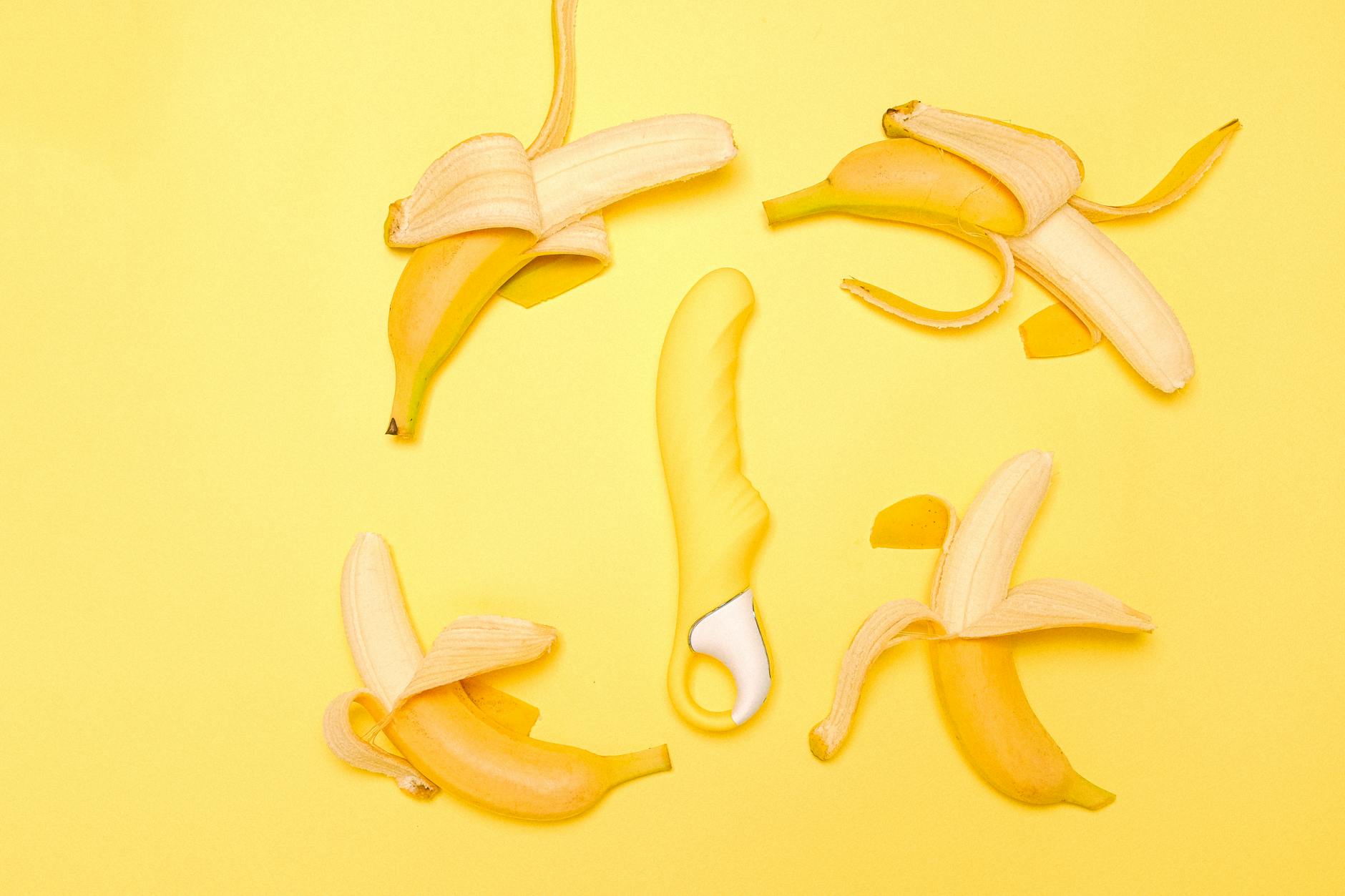
Lemon clitoral vibrators, specifically, matter here. They use gentle suction instead of direct vibration, which means less intensity on sensitive tissue and more reliable arousal building. If your clitoris feels numb or far away, a lemon vibrator's pattern-based stimulation can rewaken that connection without the jarring sensation of a traditional vibrator.
This isn't about forcing sex. It's about remembering that pleasure exists at all, when everything else is survival mode.
The timeline that actually matters
Most OBs clear you for "intercourse" at six weeks. That's the medical minimum for major bleeding to stop. It's not the timeline for actual pleasure or readiness.
Weeks 0-2: Touch yourself if it feels okay. Observe. No expectation of arousal.
Weeks 3-6: Gentle external exploration. Your clitoris might feel weird—numb, swollen, sensitive in new ways. All normal.
Weeks 6-10: If bleeding has fully stopped and stitches (if any) have dissolved, start using a lemon vibrator on the lowest pattern for 2-3 minutes, solo. No pressure to orgasm. Just reconnection.
Weeks 10-16: Increase duration and pattern if it feels good. Partner involvement is optional and only if you want it.
16+ weeks: Pelvic floor function usually returns, tissue elasticity improves, and estrogen begins climbing if you're not breastfeeding. Sex—actual penetrative sex—becomes possible for many people around month 4-6, but readiness varies wildly.
If you're breastfeeding, estrogen stays suppressed longer. You might need 9-12 months for tissue elasticity to feel normal again. That's not a failure. That's biology.
How to use a lemon vibrator in early recovery
Start with the clitoral area only. No penetration, no pressure on the perineum (the space between your vagina and anus if you tore), no involvement of the internal pelvic floor.
Position yourself: lying on your back with pillows under your hips works well. Gravity isn't fighting you, and you can relax fully.
Application: Use The Lemon Wand's pattern 1 or 2. These are the gentlest frequencies—they won't overstimulate healing tissue. Place it directly on your clitoris for 30-60 seconds, then take a break. Your nervous system is still recalibrating. Short sessions teach your body that pleasure is still possible without overwhelming it.
Lubrication: Water-based lube is your friend, even if there's no penetration. Healing tissue is drier. Lube reduces friction and makes everything feel better.
Timing: Not when you're touched out or touched-starved by an infant. Pick a time when you've got 15 minutes alone and your brain is yours. Early morning before the house wakes up, or naptime if you can actually relax.
The mental side of postpartum pleasure
Your body has been invaded repeatedly—by OBs, nurses, lactation consultants, your partner, your baby. Touch feels like obligation, not pleasure. That's not a sex problem. That's a consent and autonomy problem.
If your partner wants sex and you don't, that mismatch is real. How to Use Lemon Vibrators With a Partner When You Have Different Comfort Levels digs into that dynamic specifically. But here's the short version: your healing matters more than their timeline.
If you've lost sensation entirely, that's normal and treatable. How Lemon Vibrators Help When You Feel Numb After Hormonal Changes covers that territory. Postpartum numbness is hormone-driven, and it responds to patience and consistent gentle stimulation.
Many of my clients report that solo pleasure returns faster than partnered sex—which makes sense. There's no performance, no accommodation, no one else's comfort level. Just you, your healing body, and a tool that works.
When to see someone (and when not to panic)
Pain during clitoral stimulation? Check: Are your stitches fully dissolved (ask your OB)? Is the area still swollen? Is there ongoing infection signs—discharge, odor, heat? If yes to any of these, wait.
Complete numbness after six months? That warrants a conversation with your OB or a pelvic floor PT. It's usually hormone-related and fixable, but it's worth checking in.
Bleeding that starts again when you use a vibrator? Stop and call. It usually means tissue isn't ready, but you want to confirm it's not something else.
If penetration is painfully tight even at month 6, pelvic floor physical therapy is worth it. Postpartum tension is real, and a specialist can teach you to release it.
Rebuilding with your partner (if you want to)
Your partner can't rush this. But they can help create space for it.
Start with them in the room while you use your lemon vibrator solo. They're present but not involved. This normalizes pleasure in shared space without pressure.
Then, if you want, they can use the vibrator on you—at your pace, with your guidance on pattern and duration. This keeps you in control while inviting them into your recovery.
Penetration comes last, not first. And only when your body says yes—not when the calendar says six weeks.
The reality: recovery isn't linear
Some days your clitoris will feel numb. Other days it'll be hypersensitive. Hormones are all over the place. Exhaustion is constant. Your pelvic floor will tighten when you're stressed (which you are).
A lemon vibrator doesn't fix any of that, but it gives you agency. You're not waiting for your body to "bounce back." You're actively reconnecting with pleasure on your terms, in your timeline, with a tool that works with your healing rather than against it.
That matters more than you think.
FAQ: Postpartum pleasure and lemon vibrators
When is it actually safe to use a lemon vibrator after birth?
Wait until all bleeding has stopped and any stitches are fully dissolved (typically 4-6 weeks for vaginal delivery, 6-8 weeks for C-section). Start with the clitoral area only on the gentlest setting. If there's pain or increased bleeding, stop and check in with your OB.
Can I use a lemon vibrator if I'm breastfeeding?
Absolutely. Breastfeeding doesn't affect external clitoral stimulation. It does keep estrogen lower, so tissue stays drier and more sensitive, which is why lube matters even more. The suction pattern of a lemon clitoral vibrator is gentler on sensitive postpartum tissue than traditional vibrators.
What if my partner wants sex and I'm not ready?
That's a conversation, not a timeline. You can say no. You can say "not yet." You can say "yes to clitoral pleasure, no to penetration." Your healing is the priority. If your partner is pressuring you, that's a bigger problem than pleasure—that's about consent and respect. Consider talking with a couples therapist about navigating postpartum mismatch.
Is it normal to feel numb down there after birth?
Completely. Hormones are in the basement, your nervous system is flooded with cortisol, and you've had a major physical experience. Numbness usually improves as estrogen climbs back—faster if you're not breastfeeding. A lemon vibrator's varied patterns can help rewaken sensation gradually without overwhelming it.
How long until penetration feels normal again?
For many people, 4-6 months. For breastfeeding folks, 9-12 months. For some, it takes longer. There's no magic date. Your body will tell you when it's ready. Forcing it earlier usually means pain, tension, and more recovery time. Trust the wait.
Can I orgasm after birth?
Yes. Orgasm is neurological and doesn't depend on estrogen the way tissue elasticity does. You can orgasm from clitoral stimulation weeks postpartum, even if penetration isn't possible yet. Many people find their clitoris responds really well to a lemon vibrator's suction pattern during this phase—it's gentler than vibration on sensitive healing tissue.
The bottom line
Your body didn't break. It's healing. That takes time. A lemon vibrator isn't going to rush that process, and it's not supposed to. What it does is let you remember that pleasure is still possible, that your body is still yours, and that recovery doesn't mean waiting passively for someone else to decide you're "ready." You get to decide. On your timeline. With tools that actually work for a postpartum body. If you want to talk through your specific situation, get in touch.