Let's talk about what's really changing
Hormonal shifts change how your body responds to stimulation. Full stop. Not whether you can feel pleasure, not your capacity for orgasm, not your desire. The response itself. And that distinction is everything because it means you're not broken. You're adapting, and the right tools make that adaptation feel effortless.
Here's what I see in my practice: People assume pleasure is a fixed thing. Either you have it or you don't. But pleasure is actually responsive. It changes with hormones, stress, relationship status, medication, sleep, what you ate that morning. Most of the time we don't notice because the shifts are small. Then suddenly a bigger hormonal transition hits, and suddenly touching yourself or being touched feels different. Flatter. Slower to build. Sometimes more intense in unexpected ways. And the natural panic is "something's broken." It's not. Something shifted.
What hormonal changes actually do to sensation
Estrogen, testosterone, and progesterone aren't just about fertility. They directly affect tissue thickness, blood flow to the genitals, how quickly arousal builds, and how orgasms feel. When hormone levels drop or shift, your skin gets thinner, lubrication patterns change, the pelvic floor loses some of its estrogen-dependent support, and the nervous system's response to touch becomes more sluggish or sometimes hypersensitive.
But here's what doesn't change: the clitoral nerve density. The neural pathways for arousal. Your brain's ability to experience intense sensation. The part of your body that actually creates pleasure is still intact.
I had a client tell me recently that her most satisfying orgasms happened after a significant hormonal shift. That's not a polite lie or an outlier. It's a real clinical pattern I see repeatedly. Why? Often because people finally stop fighting their body's new rhythm and start working with it.
Why sensation feels different (and how to work with it)
Two things are happening simultaneously. First, the physical shift. Tissue is thinner, blood flow takes longer to build, arousal has a different timeline. Second, the psychological adjustment. Many people panic, tense up, and fight against the new sensation instead of exploring it.
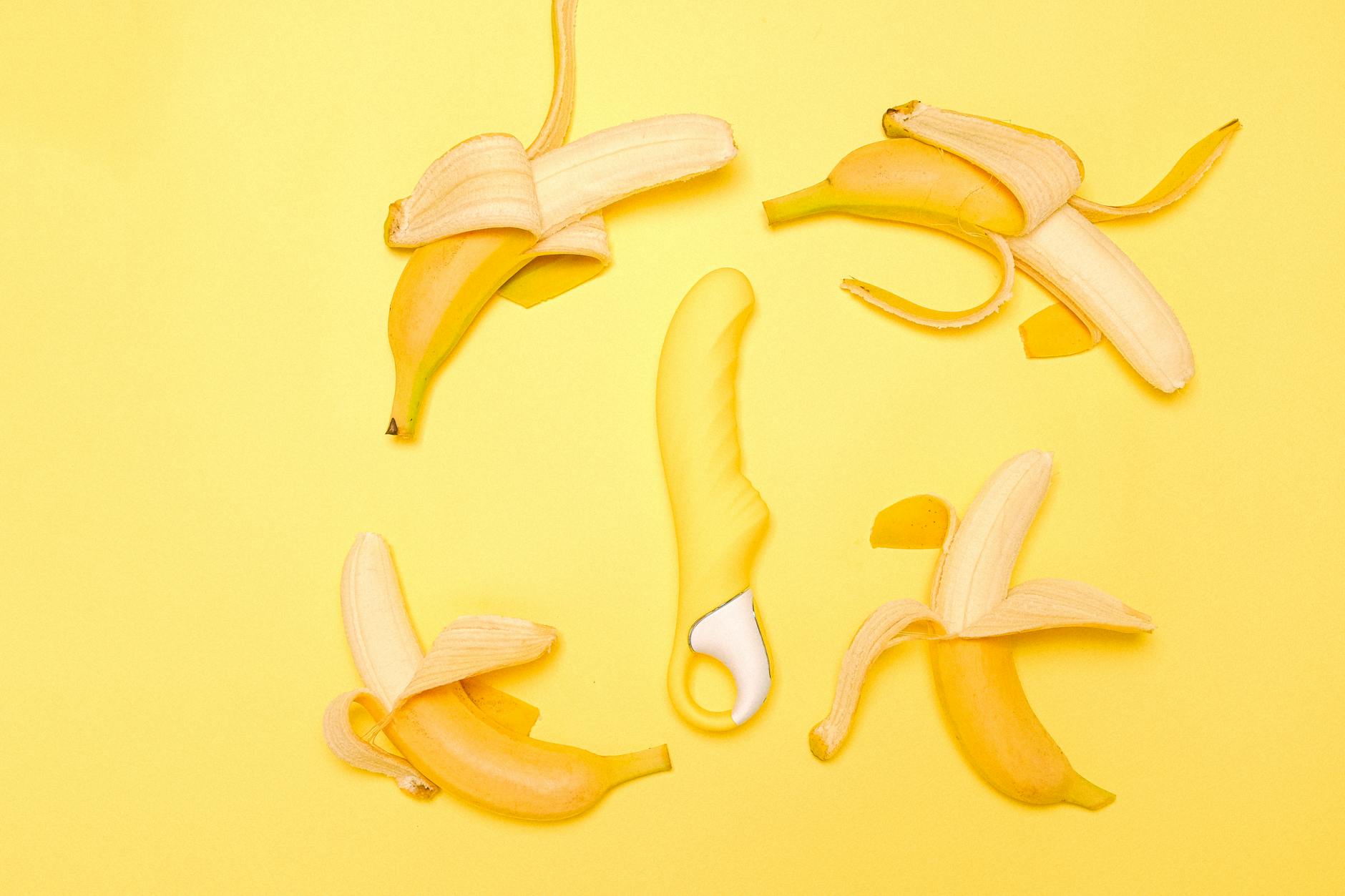
Lemon clitoral vibrators are engineered for this exact moment. Air-suction technology doesn't rely on direct friction the way traditional vibrators do. Instead, it creates a gentle suction pulse that stimulates the thousands of nerve endings in and around the clitoris without the kind of mechanical pressure that can feel too intense on thinner, more sensitive tissue. For someone whose sensation has changed, that's often the difference between "this feels numb" and "oh, that's incredible."
The warm-up reframe
When sensation changes, arousal typically takes longer. Not because something's wrong. Because your body is recalibrating how it processes touch. The temptation is to rush through foreplay to "get there," which backfires because you're fighting against how your body actually responds right now.
Instead, budget 15 to 25 minutes before using any toy. Extend your warm-up. This isn't extra time. It's the actual time your body needs to build arousal. And honestly, longer warm-ups often lead to better orgasms, full stop.
When you use a lemon clitoral vibrator, start at a lower intensity setting. Most lemon sucker vibrators have multiple patterns and power levels. Begin at level 1 or 2, the way you'd never jump into an ice bath. Let your body acclimate. Your tissues will respond better, arousal will build more naturally, and you'll find your threshold for intensity is different than it was. That's useful information, not a loss.
Lubrication matters more (and that's fine)
When natural lubrication changes, the instinct is often shame. But lubrication isn't a sign of desire or capacity. It's a physical response that shifts with hormones, hydration, medications, stress, and a dozen other variables. Using a water-based lubricant isn't a compromise. It's you working with your body's current reality.
Apply it before and during. Reapply if things start to feel dry. Water-based lubes work beautifully with lemon vibrators and won't damage the silicone. (Silicone lubes can degrade silicone toys, so stick with water-based.)
One more thing: lube stays slippery longer than natural lubrication, which means your toy glides without friction. For thinner, more sensitive tissue, that's a significant comfort upgrade.
The pelvic floor piece (the part no one talks about)
When estrogen drops, the pelvic floor naturally tightens and loses elasticity. You might find that tension in that area either blocks sensation or makes the feeling of a vibrator feel uncomfortable. Kegels help, but so does the opposite. Learn to actively relax your pelvic floor.
Before using a lemon clitoral vibrator, spend a minute consciously relaxing that area. Imagine breathing into it. Consciously let the muscles go slack. This sounds small, and it changes everything. A relaxed pelvic floor means sensation travels better, orgasms feel fuller, and there's no tension fighting against the stimulation.
When to add a partner into this conversation
If you're with a partner, the worst thing you can do is surprise them with a toy or hope they don't notice your body is different. Tell them. "My sensation has shifted because of hormones. I'm using a lemon vibrator to explore what works now." Full stop.
If they're curious, show them. Let them hold it, understand it's not a threat to partnered sex but an addition to it. Many couples find that lemon clitoral vibrators actually deepen partnered sex because there's less performance pressure and more actual pleasure.
If they're resistant, that's a separate conversation. And it's one worth having with honesty instead of resentment.
How this connects to other pleasure changes
If you're also dealing with medication side effects that flatten sensation or adjusting to life changes that have shifted intimacy, hormonal shifts stack on top. The good news is the strategy is the same: longer warm-up, water-based lube, lower initial intensity, active pelvic floor relaxation, and a toy engineered for thinner, more sensitive tissue.
Lemon vibrators are particularly effective because the suction mechanism bypasses friction entirely. You're not trying to reach a sensation threshold through pressure. You're creating a gravitational pull on the nerve endings, which is inherently gentler and often more intense than vibration alone.
The reality check
Your pleasure is still there. It's not gone. The shape of it has changed. And that shape is actually solvable. Not by ignoring the shift, not by pushing through discomfort, but by understanding exactly what changed and then choosing tools and practices that work with your body now instead of the body you had last year.
Frequently asked questions
Why does arousal take longer after hormonal changes?
Estrogen and testosterone both speed up blood flow to the genitals and lower the threshold for arousal. When those hormones shift, blood flow normalizes more slowly, and your nervous system needs more time to wake up. This isn't damage. It's your body's new baseline. Working with it instead of against it means longer warm-up time and tools like lemon clitoral vibrators that don't require intense natural arousal to feel incredible.
Can I still have orgasms after hormonal shifts?
Yes, absolutely. The neural architecture for orgasm doesn't change. What often changes is the path to get there. Some people find orgasms feel different in intensity or location, which is worth exploring. Others find orgasms are actually more intense because they're finally not fighting their body's rhythm. Lemon vibrators help because they work with how your body responds now, not against it.
Does using a lemon vibrator mean my partner doesn't turn me on anymore?
No. A shift in how quickly or intensely you respond to touch is physiological, not relational. If you've noticed decreased responsiveness to your partner specifically, that's worth exploring separately. But if your general sensation has changed across the board (solo and partnered), it's hormonal, not emotional. Using a tool like a lemon clitoral vibrator actually removes performance pressure and often improves partnered sex.
How do I know if my sensation changes are hormonal or something else?
Hormonal shifts usually affect sensation across contexts (solo, partnered, all kinds of touch). They're usually gradual rather than sudden. They often happen alongside other shifts like changes in sleep, energy, or mood. If sensation changed suddenly after a specific event or medication, it's worth checking with a doctor. But if it's been gradual and multi-contextual, hormones are usually the culprit.
Is it normal for lube to feel necessary when it wasn't before?
Completely normal. Lubrication is a physiological response, not a sign of low desire. When hormones shift, natural lubrication often decreases. Using water-based lube isn't a workaround. It's you supporting your body's current reality. It actually makes sensation better for many people because there's no friction, only smooth glide.
How long does it take to adjust to sensation changes?
Adjustment happens in weeks to a few months once you accept the shift and find tools that work. Many people spend months fighting their body's new reality, which extends the adjustment. Once you switch to "okay, my body works like this now, what tools and practices support that," everything speeds up. Lemon vibrators typically feel dramatically different on the first use because the suction mechanism is so different from what most people have tried.
Your pleasure matters. And it still exists on the other side of hormonal changes. You just need to meet your body where it actually is, not where it used to be.